UK construction sites must display safety signs in accordance with the Health and Safety (Safety Signs and Signals) Regulations 1996. Signs are categorised by shape, colour, and meaning. Being able to identify each type is essential for CPCS assessments and day-to-day site safety.
Safety Signs
Construction site safety signs following ISO 7010 and the Health and Safety (Safety Signs and Signals) Regulations 1996.
Prohibition Signs
Red circle with diagonal bar — tells you what you must NOT do
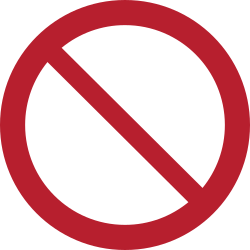
General Prohibition
General prohibition — action not permitted
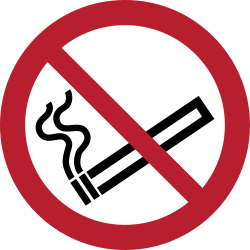
No Smoking
Smoking and vaping prohibited
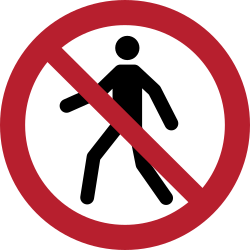
No Pedestrians
Pedestrian access prohibited
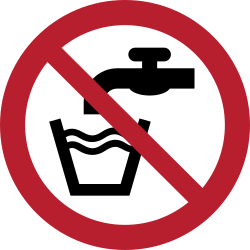
Not Drinking Water
Water is not safe to drink
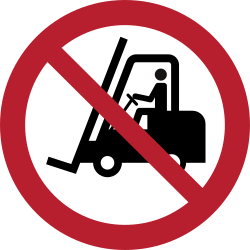
No Forklift Trucks
Forklift trucks prohibited in this area
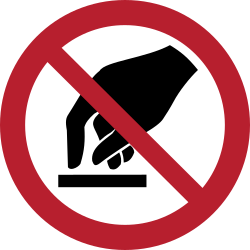
Do Not Touch
Do not touch equipment or surfaces
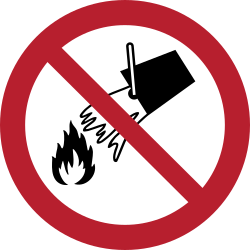
Do Not Extinguish with Water
Do not use water to fight fire
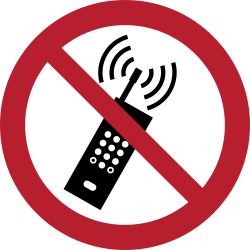
No Mobile Phones
Mobile phone use prohibited
Mandatory Signs
Blue circle — tells you what you MUST do

Ear Protection
Hearing protection must be worn

Eye Protection
Safety goggles or glasses must be worn
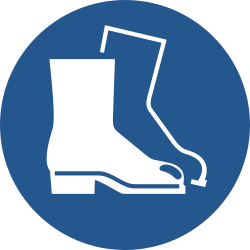
Safety Boots
Protective footwear must be worn

Gloves
Protective gloves must be worn

Hard Hat
Safety helmet must be worn
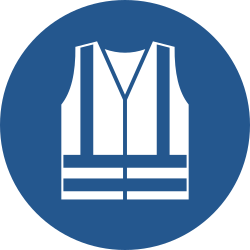
Hi-Vis Vest
High-visibility clothing must be worn

Face Mask
Respiratory protection must be worn
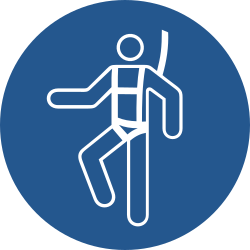
Safety Harness
Fall protection harness must be worn
Warning Signs
Yellow triangle — warns you of a hazard or danger
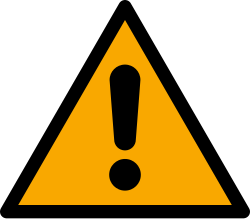
General Danger
Caution — risk of injury
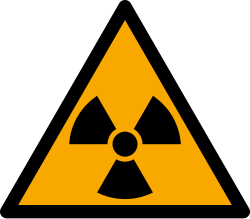
Radioactive
Radioactive material or area
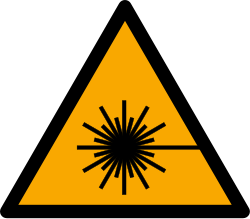
Laser Beam
Danger from laser equipment
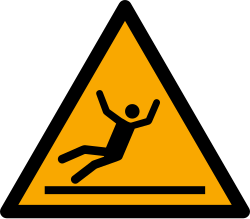
Slippery Surface
Risk of slipping
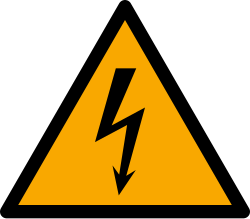
Electricity
Risk of electric shock
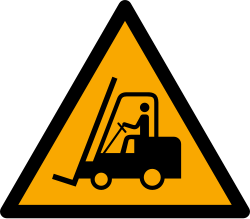
Moving Vehicles
Risk from site traffic and plant
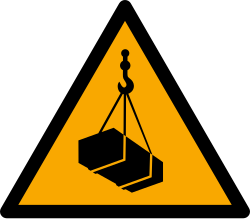
Overhead Loads
Danger of falling objects from above
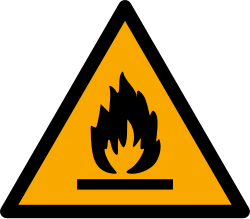
Flammable
Flammable materials present
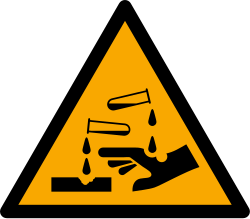
Corrosive
Corrosive substances present
Safe Condition Signs
Green rectangle — shows escape routes, first aid, and safety equipment
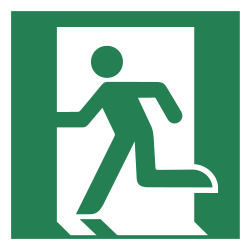
Emergency Exit (Left)
Direction to nearest exit — left
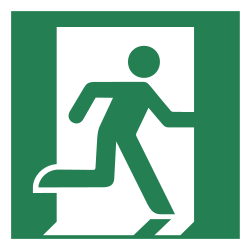
Emergency Exit (Right)
Direction to nearest exit — right

First Aid
First aid station or kit location
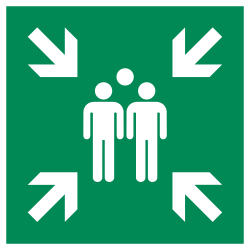
Assembly Point
Fire assembly point location
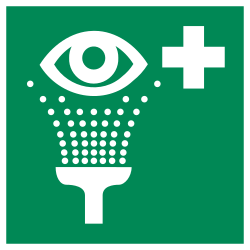
Eye Wash
Emergency eye wash equipment
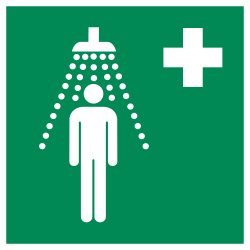
Emergency Shower
Emergency shower location
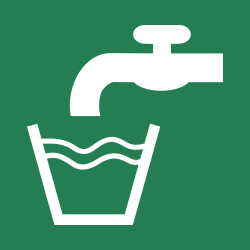
Drinking Water
Safe drinking water available
Fire Equipment Signs
Red square — indicates fire-fighting equipment location
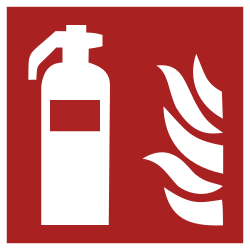
Fire Extinguisher
Location of fire extinguisher
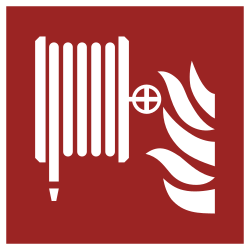
Fire Hose Reel
Location of fire hose reel
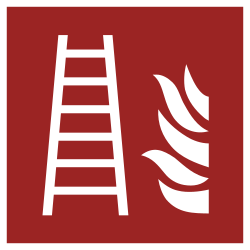
Fire Ladder
Location of fire ladder
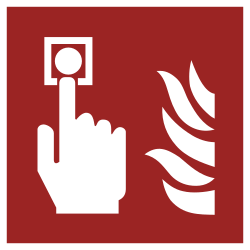
Fire Alarm
Location of manual fire alarm
GHS Hazard Symbols
Red diamond border — identifies chemical hazards (COSHH)
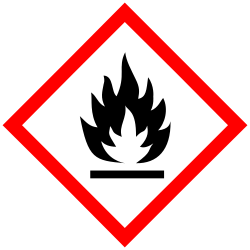
Flammable
Flammable gas, liquid, or solid
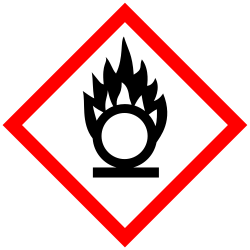
Oxidising
Oxidising substance
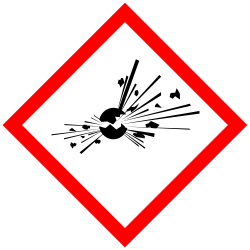
Explosive
Explosive material
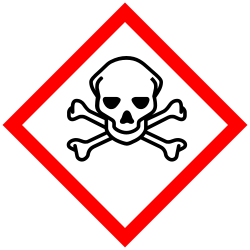
Toxic
Acutely toxic substance
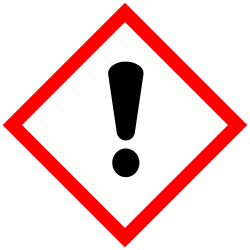
Harmful
Harmful or irritant
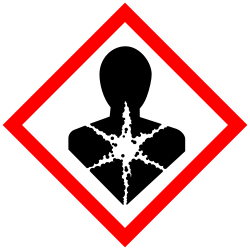
Health Hazard
Serious long-term health hazard
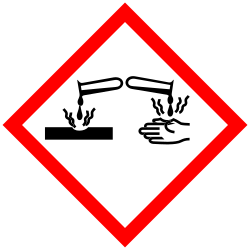
Corrosive
Corrosive to skin or metals
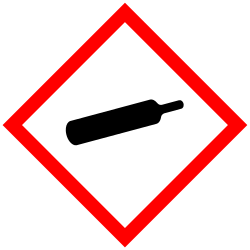
Compressed Gas
Gas under pressure
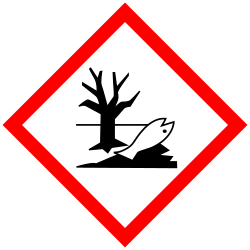
Environmental
Hazardous to aquatic environment
Fire Extinguisher Types
Identified by colour band — know which type for each fire class
Water (Red band)
Use for: Wood, paper, textiles (Class A)
Not for: Electrical, flammable liquids, metal fires
Foam (Cream band)
Use for: Flammable liquids (Class B) and some Class A
Not for: Electrical (unless dielectric), metal fires
Dry Powder (Blue band)
Use for: Multi-purpose: Class A, B, C and electrical
Not for: Enclosed spaces (obscures vision), cooking oils
CO₂ (Black band)
Use for: Electrical fires and flammable liquids
Not for: Class A (wood/paper), metal fires, cooking oils
Remember: All fire extinguishers in the UK are now red (BS EN 3) with a colour band identifying the type. The colour band covers at least 5% of the body area. If you are unsure which extinguisher to use, do not attempt to fight the fire — raise the alarm and evacuate.
Test Your Safety Sign Knowledge
Download CPCS CPD Mastery to practise safety sign identification questions for your CPCS renewal test.